
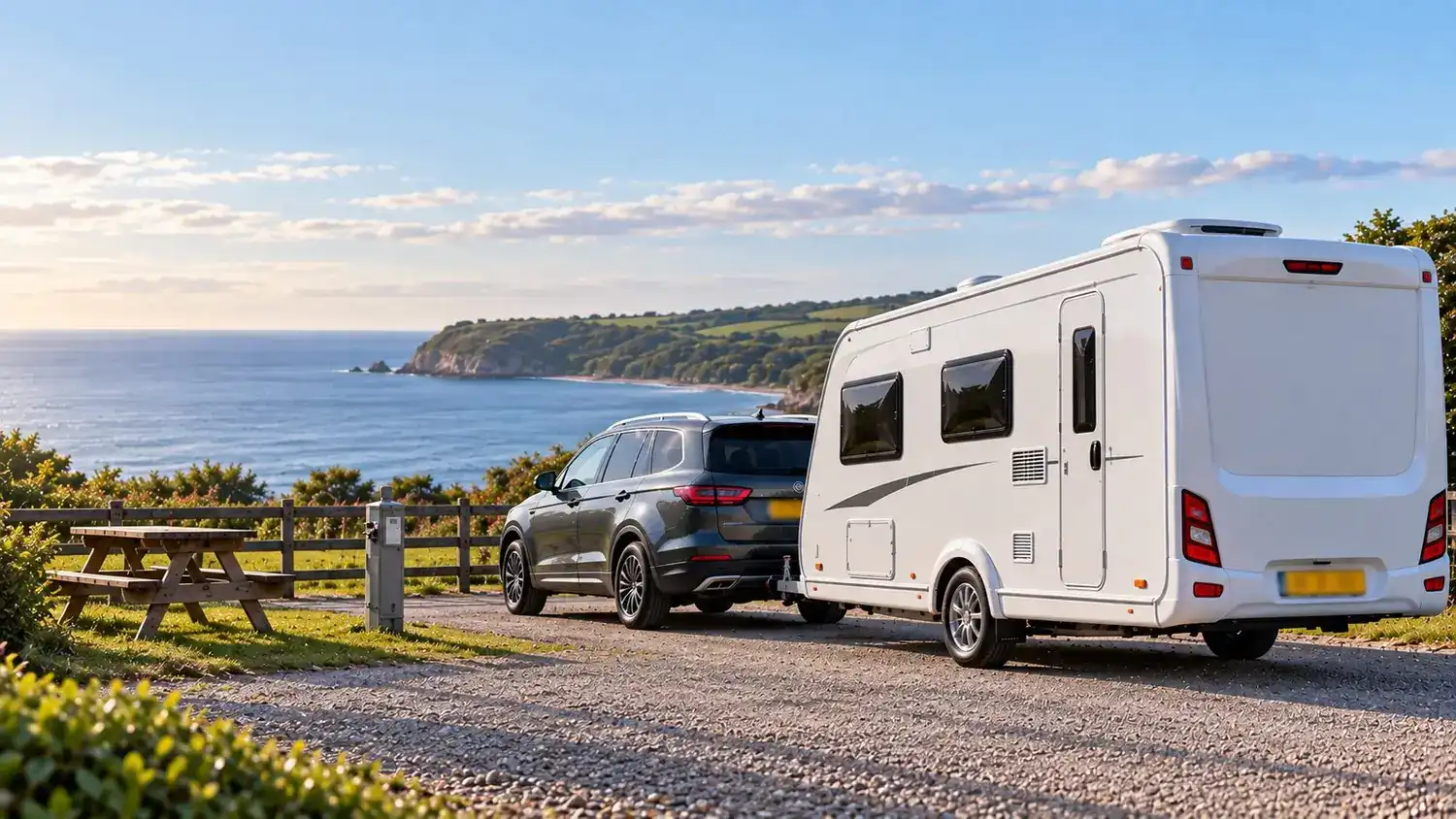
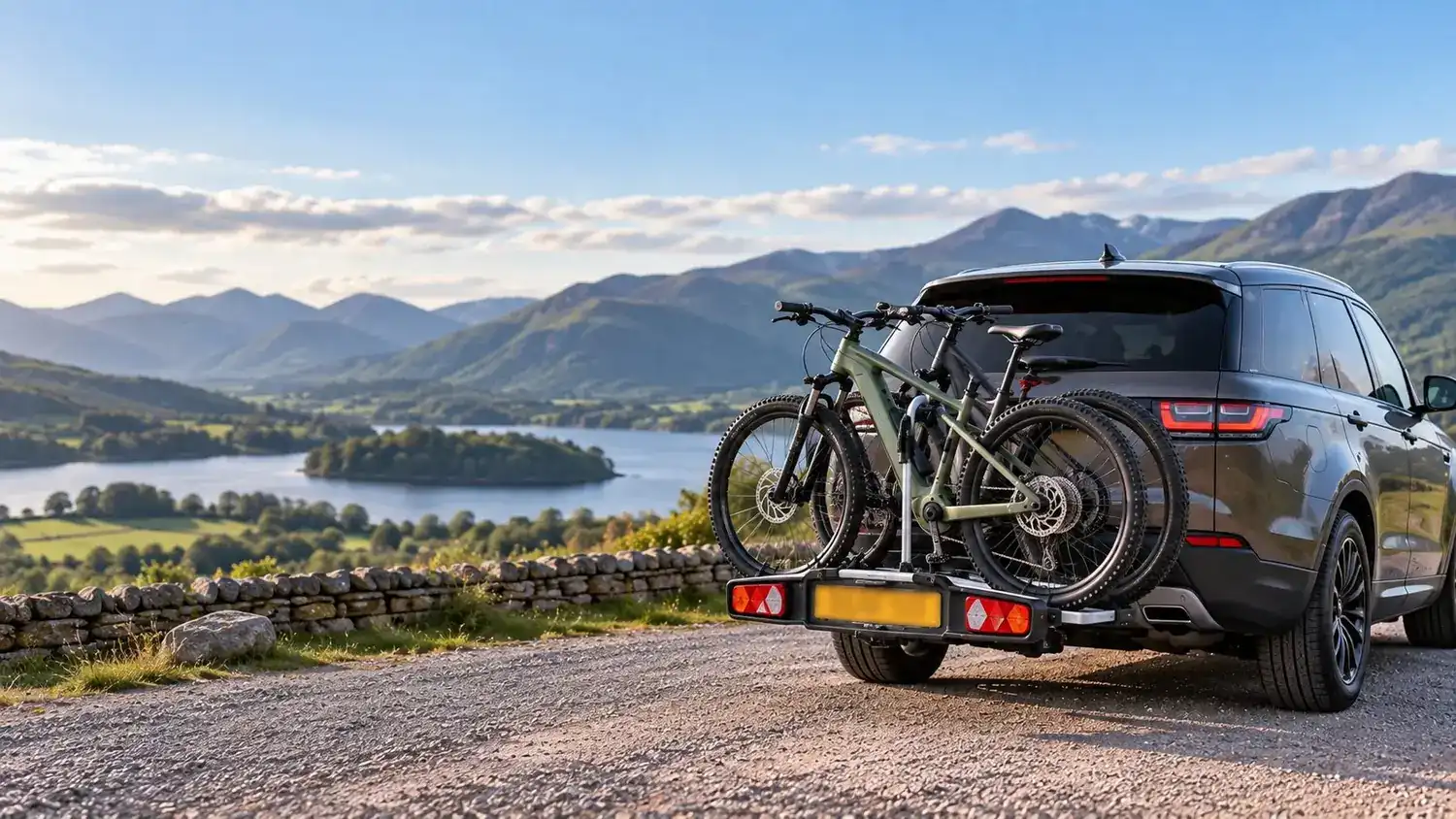
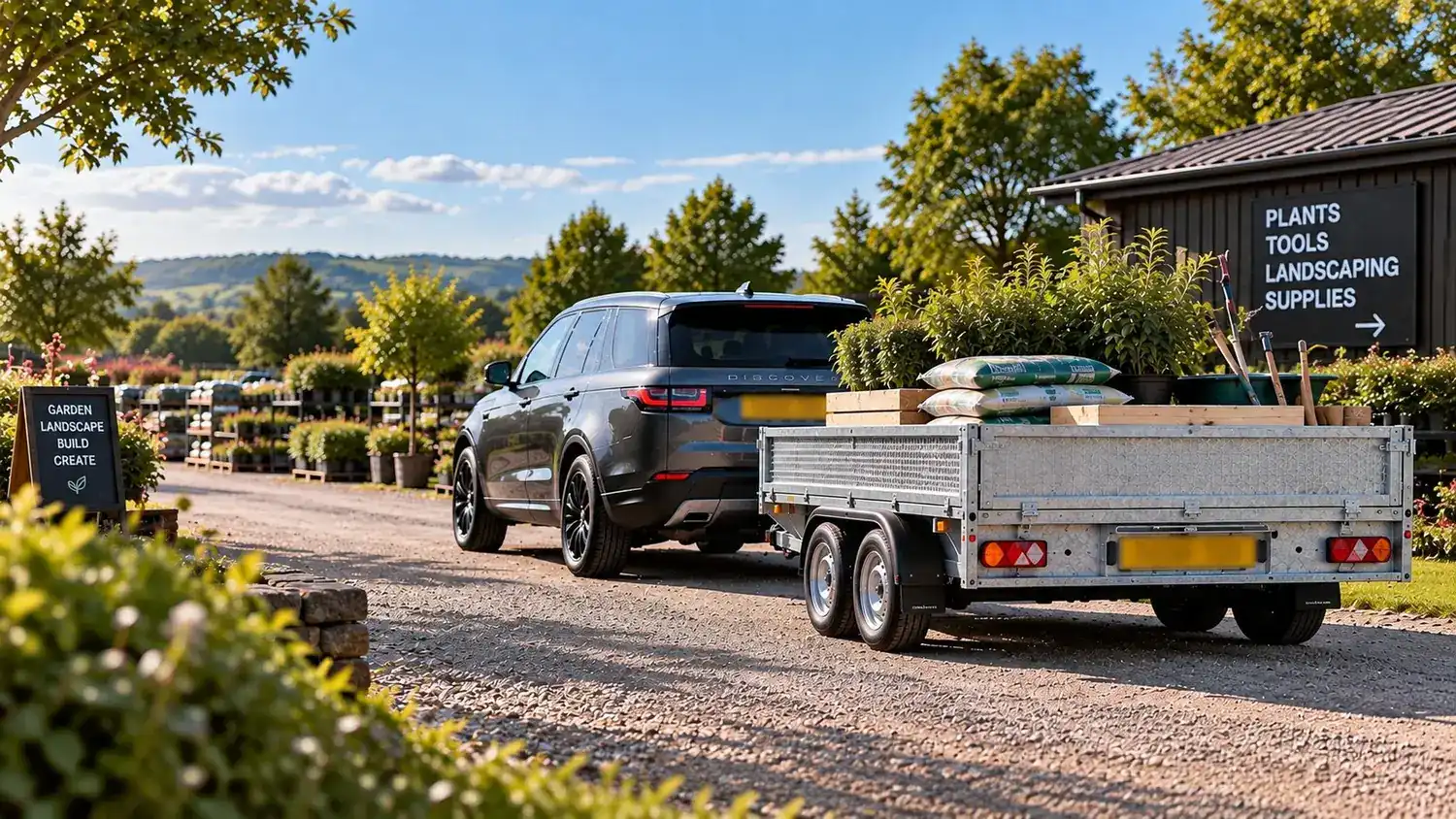
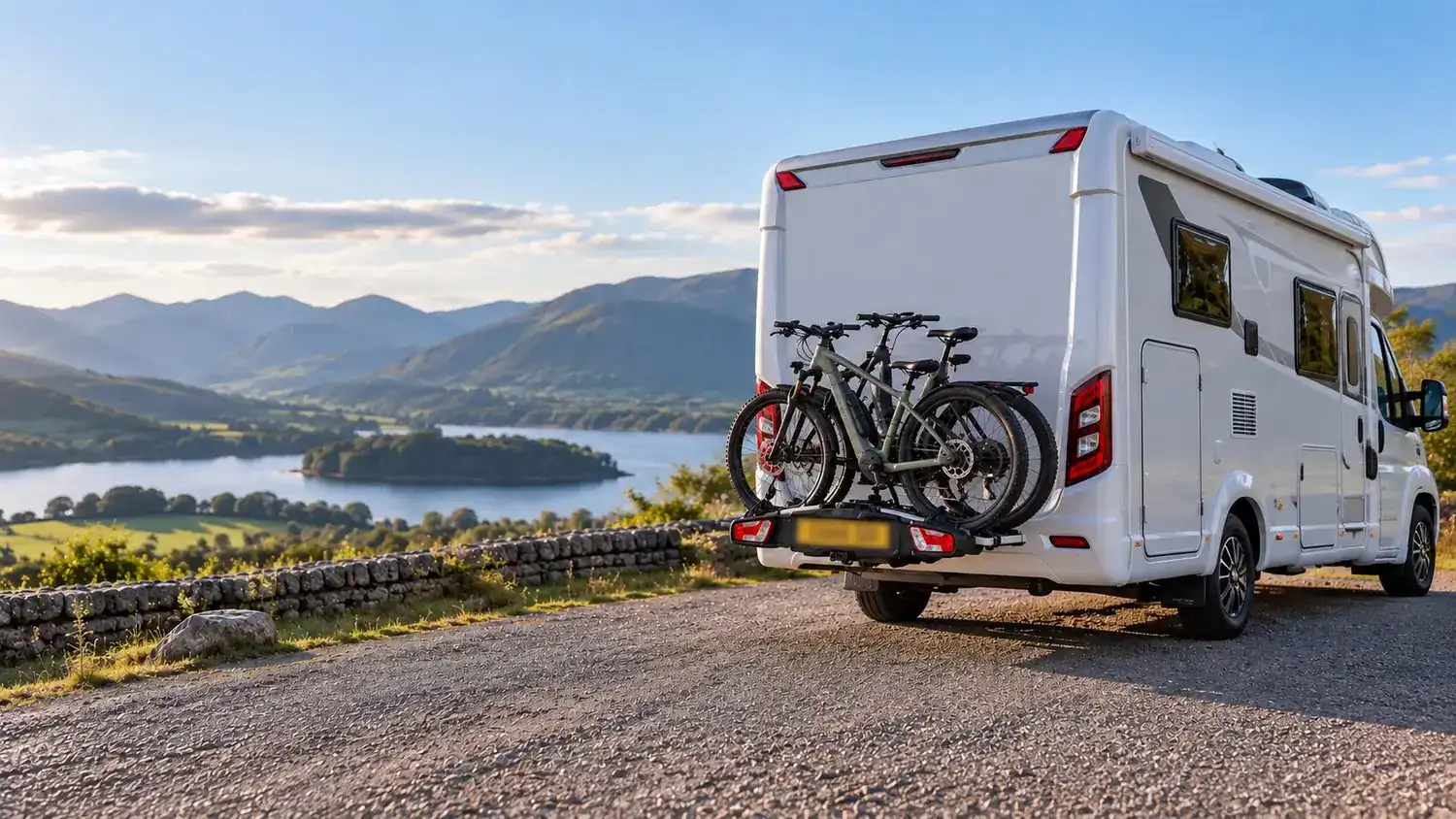
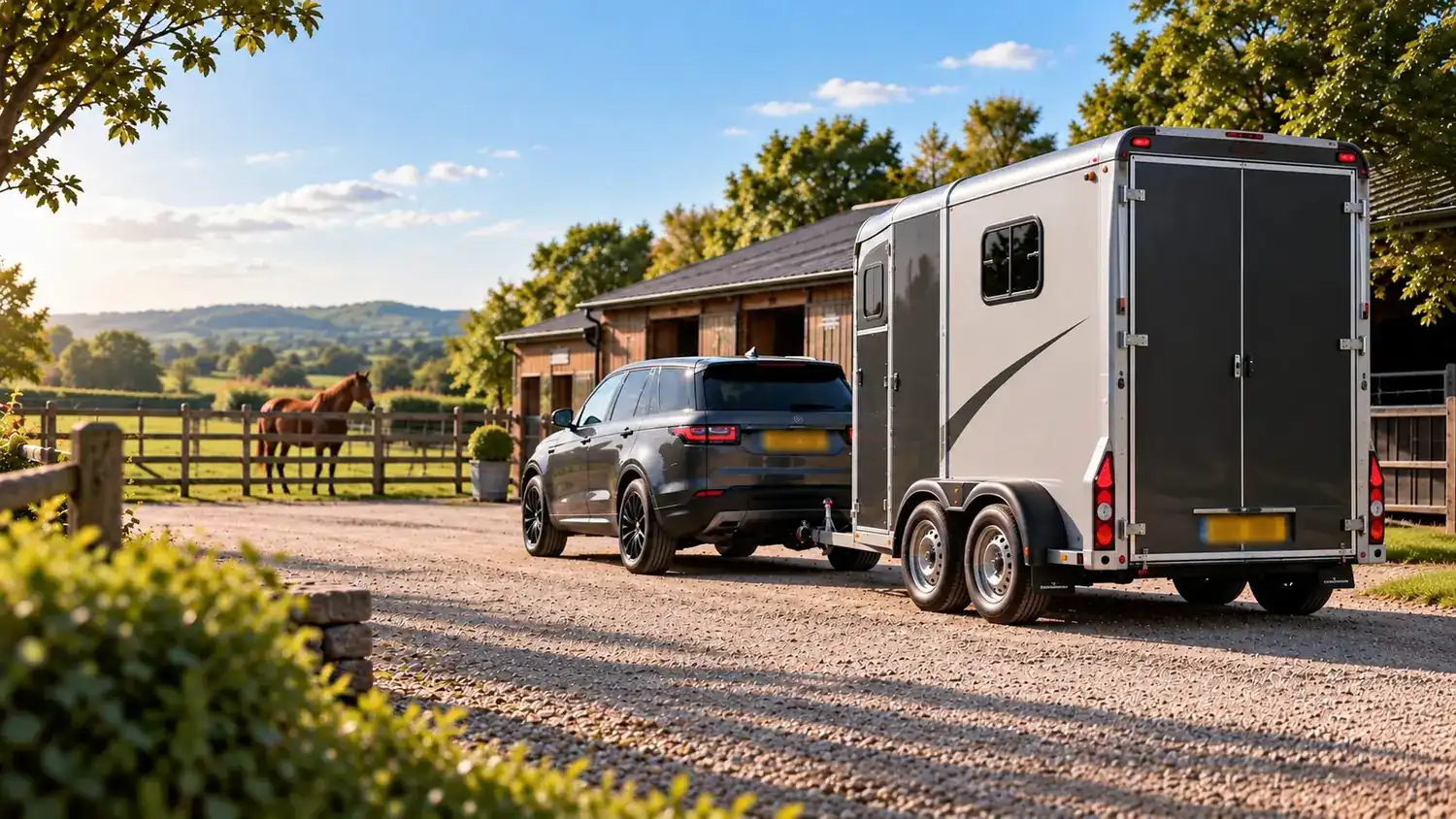
Towbars fitted on your driveway, by the same hands for over 40 years.
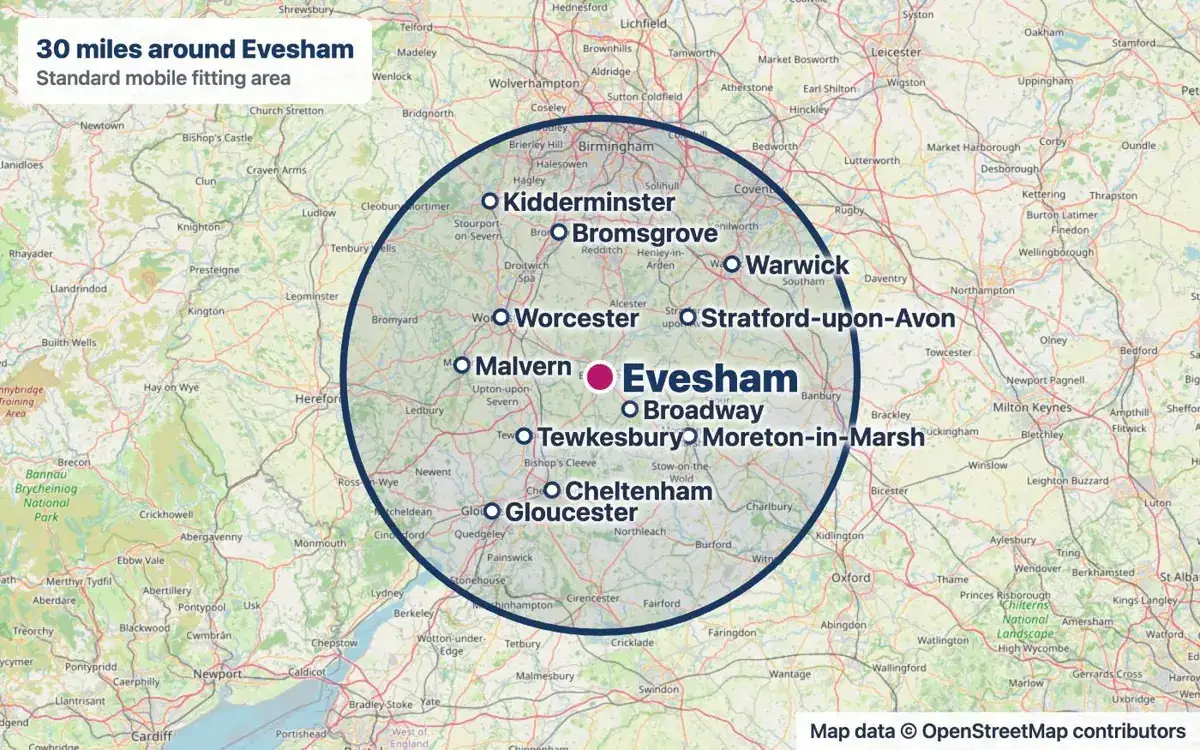
Tell Chris the vehicle and what you plan to tow. He brings the right towbar and electrics to your home or workplace — and answers most enquiries the same day.
What customers say about the work
Chris fitted a detachable bar to our Kuga on the drive while I worked from home. Tidy job, no mess, and he explained the electrics properly instead of just handing over an invoice.
Rang Karen on the Tuesday, fitted on the Thursday. Third towbar they have done for our family in twenty years — that says everything.
Two other firms said my hybrid could not have one. Chris checked the model, confirmed the tow weight and fitted it the following week. Sensors work exactly as before.
What we fit
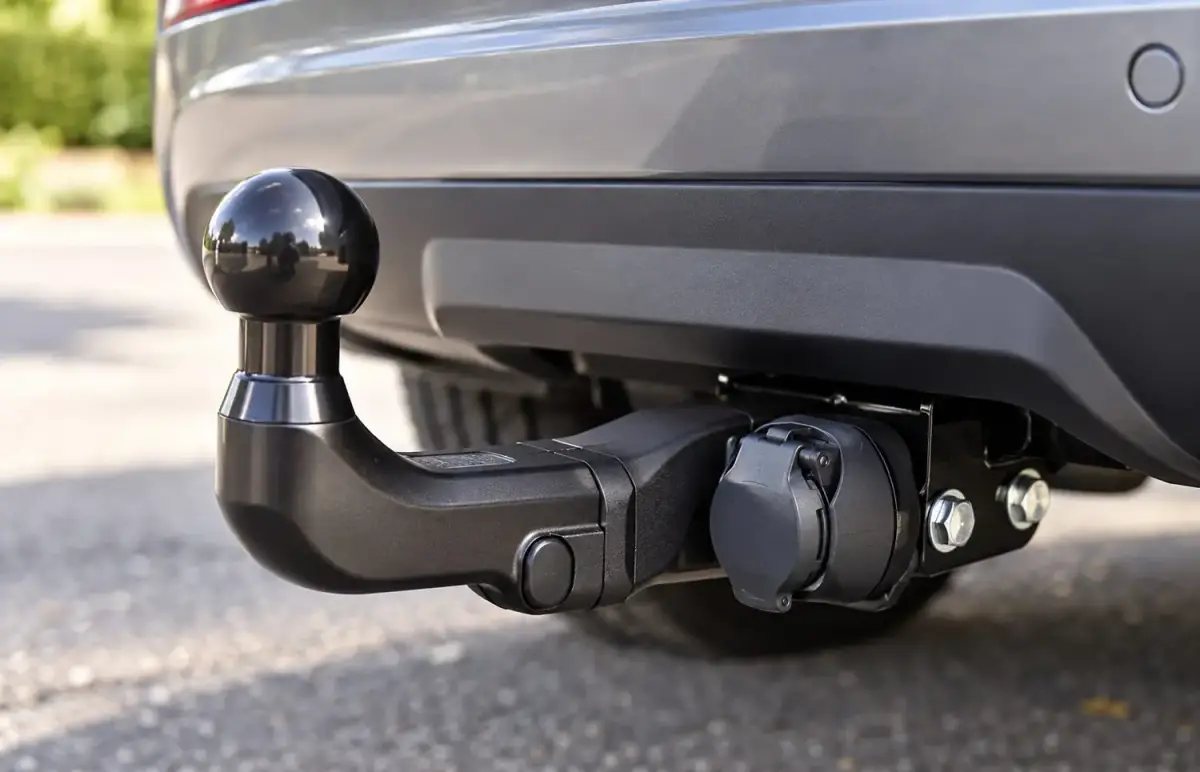
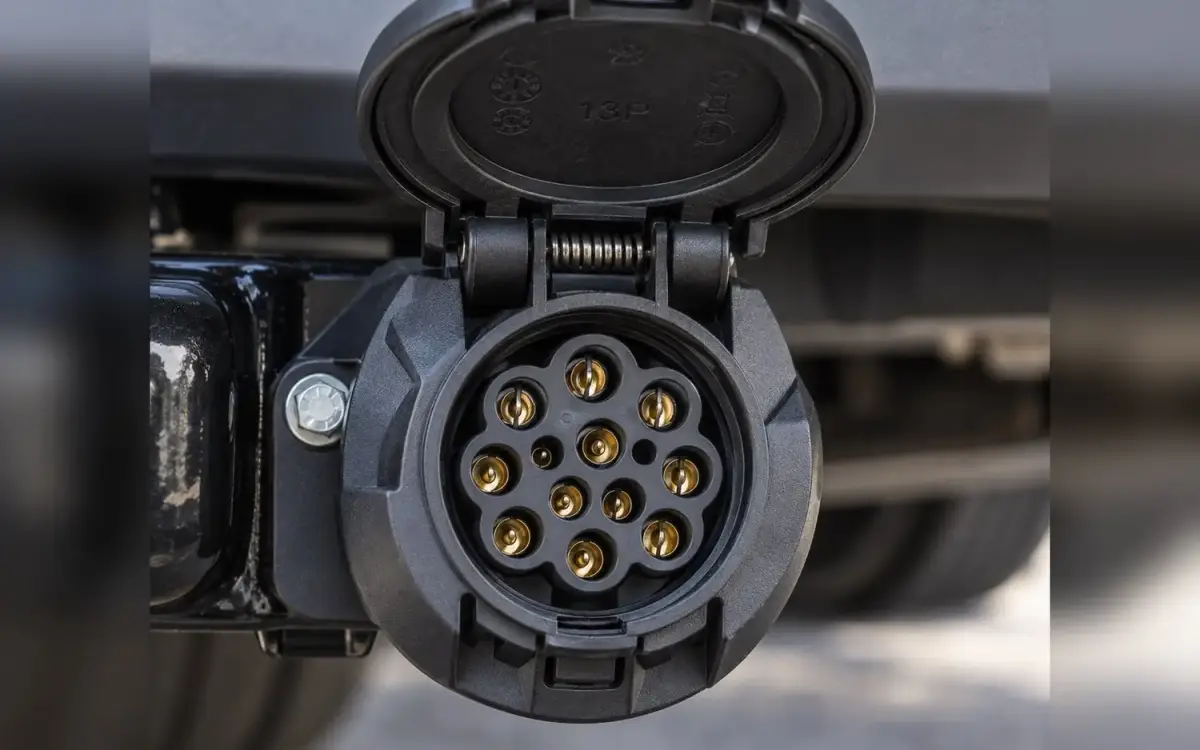
Parts made in the UK, approved and traceable
Our preferred supplier is Tow-Trust, a genuine manufacturer in Atherstone, Warwickshire, designing, testing and building in-house. We also fit Brink and Westfalia.
Every bar we supply is EC Type Approved — independently tested for strength, fit and safety, and stamped with an E-number you can check yourself.
Read what EC Type Approval meansHow a mobile fitting works
Five questions on the quote form, or a phone call if you would rather talk it through.
We check the towbar approved for your exact model and quote the fitted price — parts, labour, electrics, all in.
We book a slot that suits you, at home or at work. Most fits happen within the week.
Two to three hours on your driveway, tested before we leave, type-approval paperwork handed over.
Questions we're asked most
No. Everything is mobile — we come to your home or place of work and fit on your driveway or in the car park. Most fits take two to three hours and you keep your keys throughout.
A fixed towbar stays on the car permanently; a detachable one unclips when you are not towing, which keeps the rear of the car clean and clear for parking sensors and cameras. Fixed is cheaper and stronger for heavy, frequent towing; detachable suits occasional towing and newer cars where looks matter.
Thirteen-pin is the modern standard and the sensible default: it carries the caravan fridge and leisure battery feeds as well as lights, and adapters for older 7-pin plugs are cheap. Seven-pin is still fine for a lights-only trailer.